

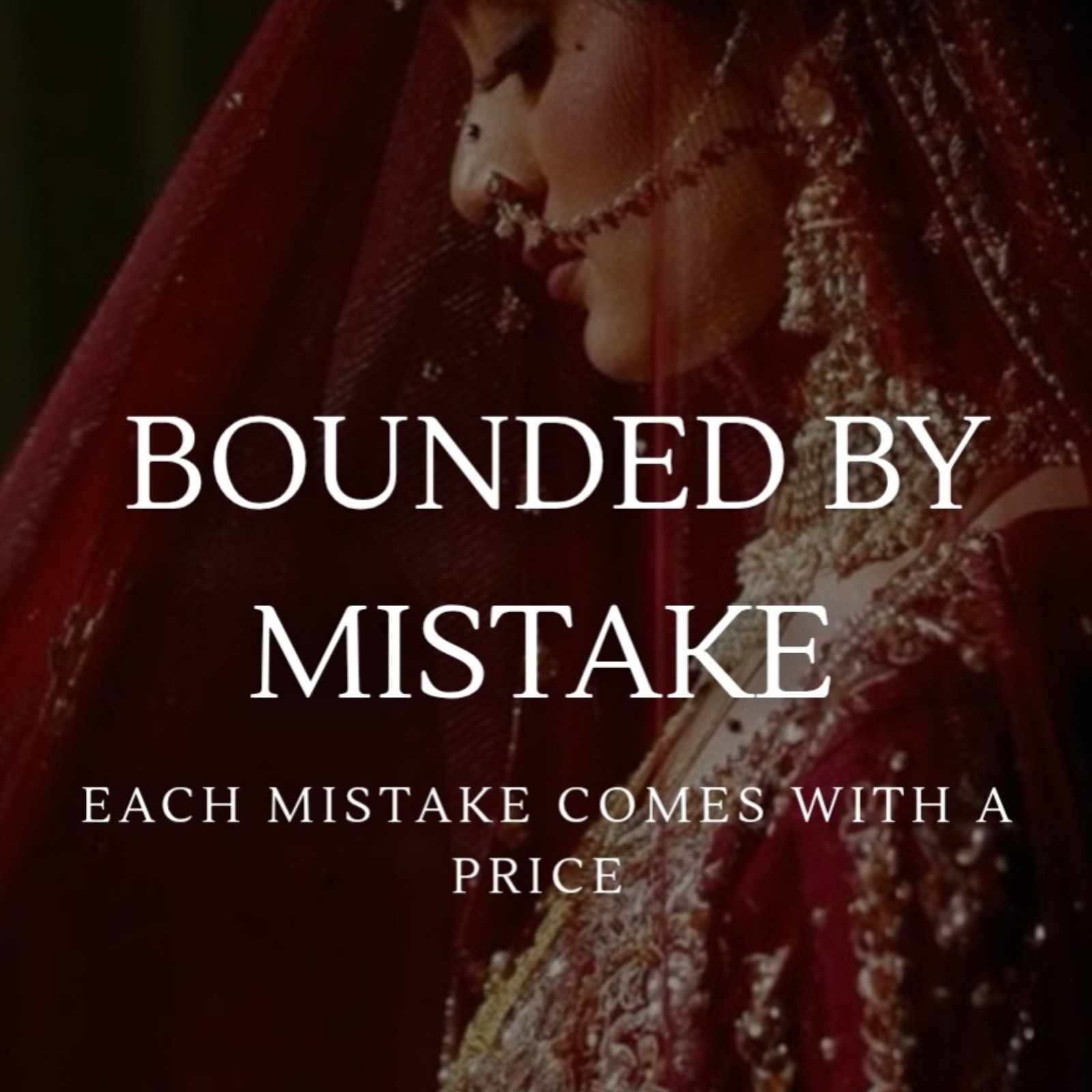
At the age of fourteen, Tara Choudhary was married.
At the age of twenty, she became a widow.
Until yesterday, everyone praised her beauty. They told her to wear colourful sarees, glass bangles, vermilion, and jewellery for her husband's long life. But the moment he died, the very same people shattered her bangles, wiped away the vermilion from her forehead, removed every ornament she wore, and declared that she no longer had the right to live with joy. Locked inside a room, fed plain food, and stripped of her identity, Tara struggled to understand one question:
How could the death of one person become the punishment of another?
While Tara fought a silent battle within the four walls of her home, another battle was raging across the country.
Raj Tripathi, a young social reformer, stood fearlessly in support of the Hindu Widows' Remarriage Act, 1856. He was mocked, insulted, and humiliated for believing that widows deserved a second chance at life. People laughed at him and challenged him with one question:
"If you truly believe in widow remarriage, why don't you marry a widow yourself?"
One night, fate answered that question.
On his way home, Raj found a frightened young woman running through the deserted streets. Her name was Tara.
She told him everything.
What began as an act of humanity soon became a decision that would challenge centuries of tradition. Together, they stood against a society that believed a widow had no right to happiness.
This is not just a love story.
It is a story of courage, equality, hope, and the fight to prove that a widow is not a curse, not a burden, and not an object—but a human being who deserves love, dignity, and a second chance at life.
Inspired by the social reforms surrounding the Hindu Widows' Remarriage Act, 1856. While the historical background is real, the characters and most events in this novel are fictional.





Write a comment ...